
The third session of the Deliberative Democracy Lab in Kyiv
.jpg&w=828&q=75)
On 16–17 April 2026, the third session of the Deliberative Democracy Lab took place as part of the BRIDGE project.
Participants from across Ukraine gathered in Kyiv to discuss the use of deliberative democracy tools in the context of the Law of Ukraine “On People’s Power”.

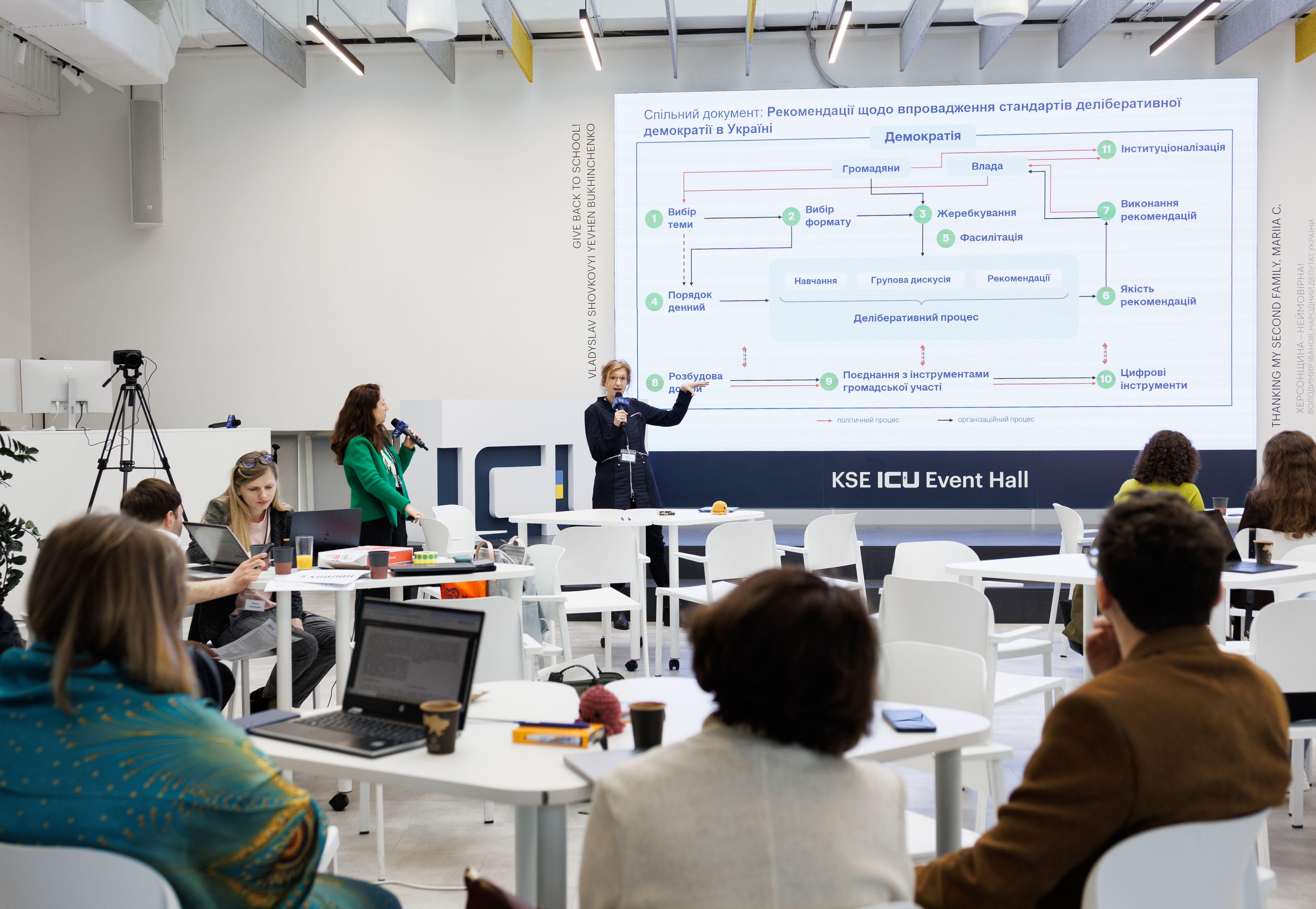
The first day began with opening remarks by the Academic Director of the project, Associate Professor at the Faculty of Social Sciences of KSE, Oleksandra Keudel, and Kerstin Lücker, Head of the Participation and Technology Unit at the Technical University of Berlin. The speakers outlined the meeting's objectives and the format for the joint work.
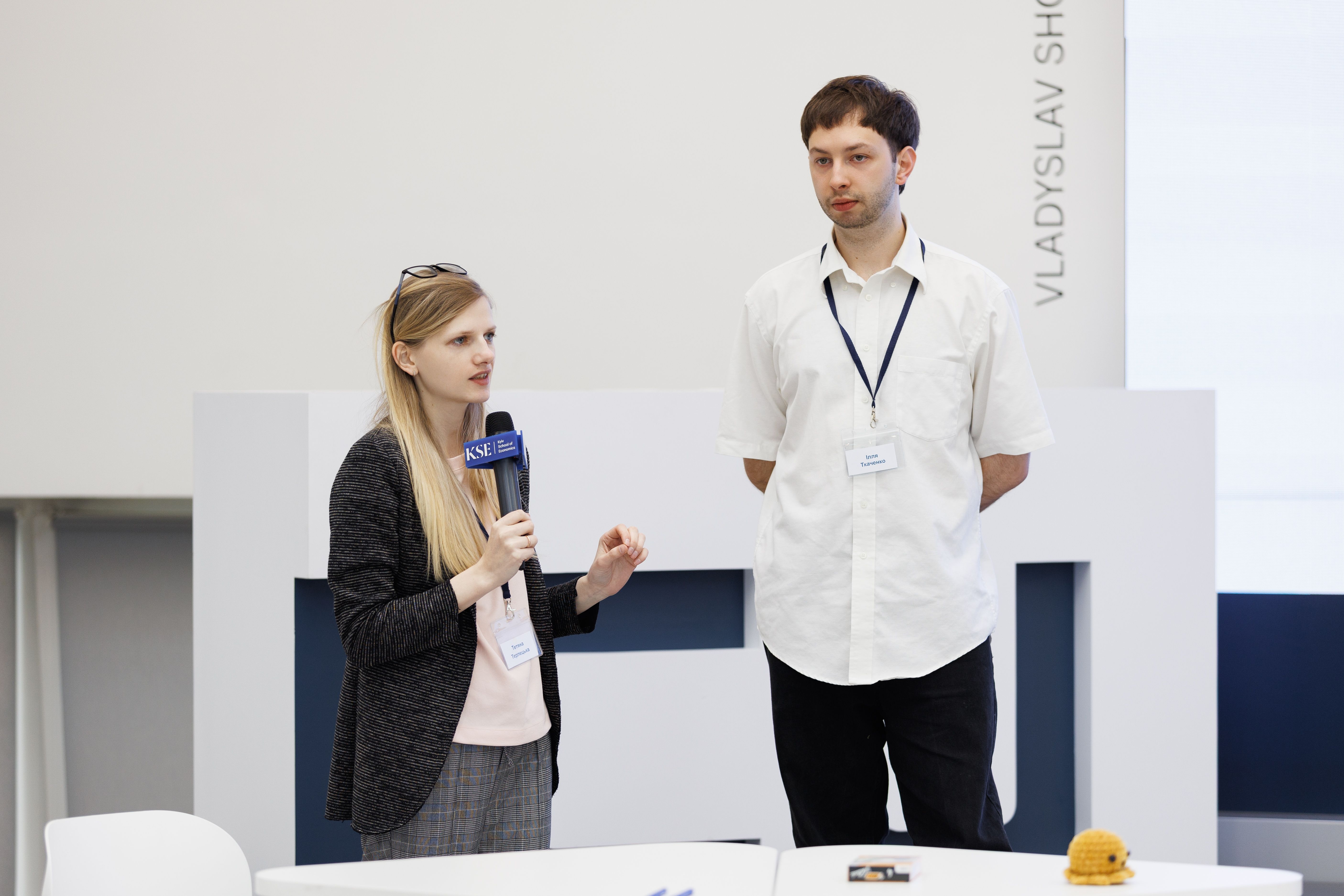
This was followed by participant introductions and a discussion to align on principles of collaboration. This part was moderated by Tetiana Terletska, Advisor to the Deliberative Democracy Lab of the BRIDGE project, and Illia Tkachenko, Research Coordinator at the BRIDGE project at the Centre for Democratic Resilience at KSE. Creating a supportive working environment was a priority, and participants agreed on openness, respect for diverse views, and a shared focus on outcomes.
In the next session, Nataliia Oksha, Deputy Director of the Department of Information and Public Engagement and Head of Division within the Secretariat of the Cabinet of Ministers of Ukraine, presented priorities related to deliberative democracy within the action plan for implementing the Open Government Partnership initiative. Raising awareness of the opportunities that deliberative democracy offers to public authorities and society is among the key priorities of the plan.
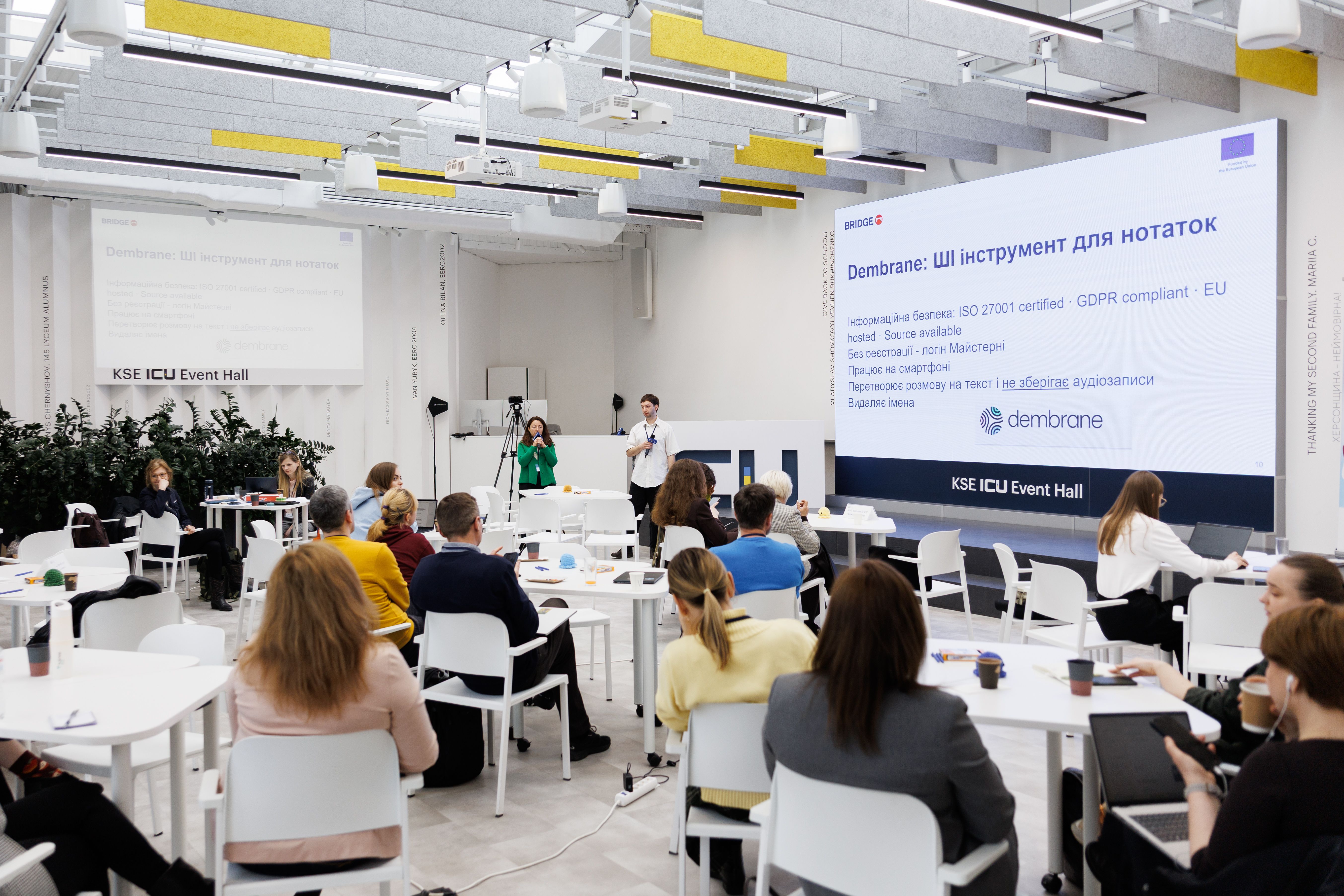
After the coffee break, participants moved on to discussing Ukrainian experience with deliberative processes. The discussion featured contributions from Daryna Sokolova, Project Manager at the Council of Europe; Tetiana Terletska from PAUCI; as well as the BRIDGE team and Olha Akhmedova, Head of the Public Relations Department of the Zhytomyr City Council. It was followed by an engaging exchange on what is already working in Ukraine and what still requires further development.
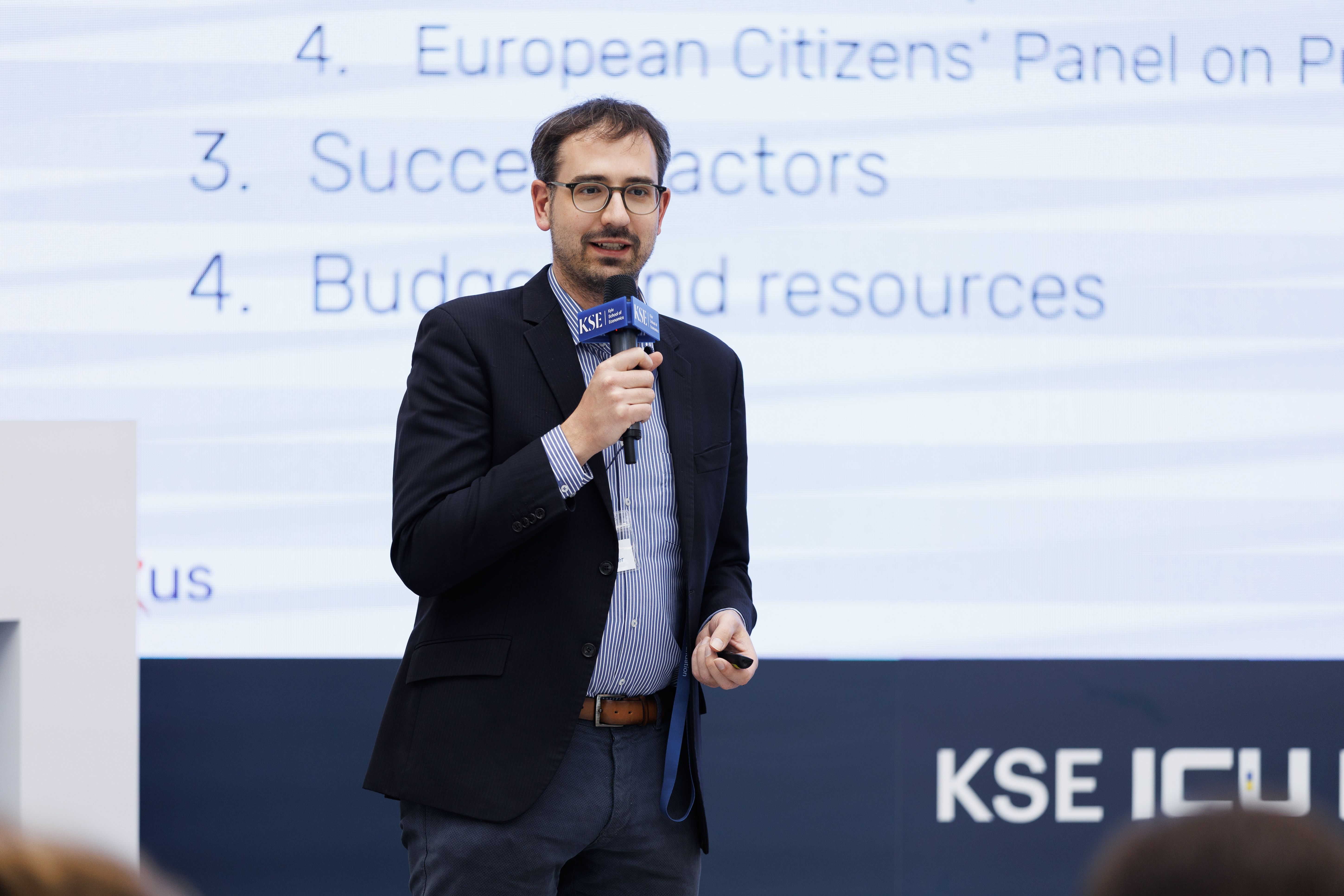
In the second half of the day, guest speaker Jacob Birkenhäger, Executive Director of the Berlin-based nexus Institute, shared his experience of organising citizens’ assemblies at the national and EU levels. His presentation sparked many questions, particularly on how these approaches could be adapted to the Ukrainian context, especially in times of war.
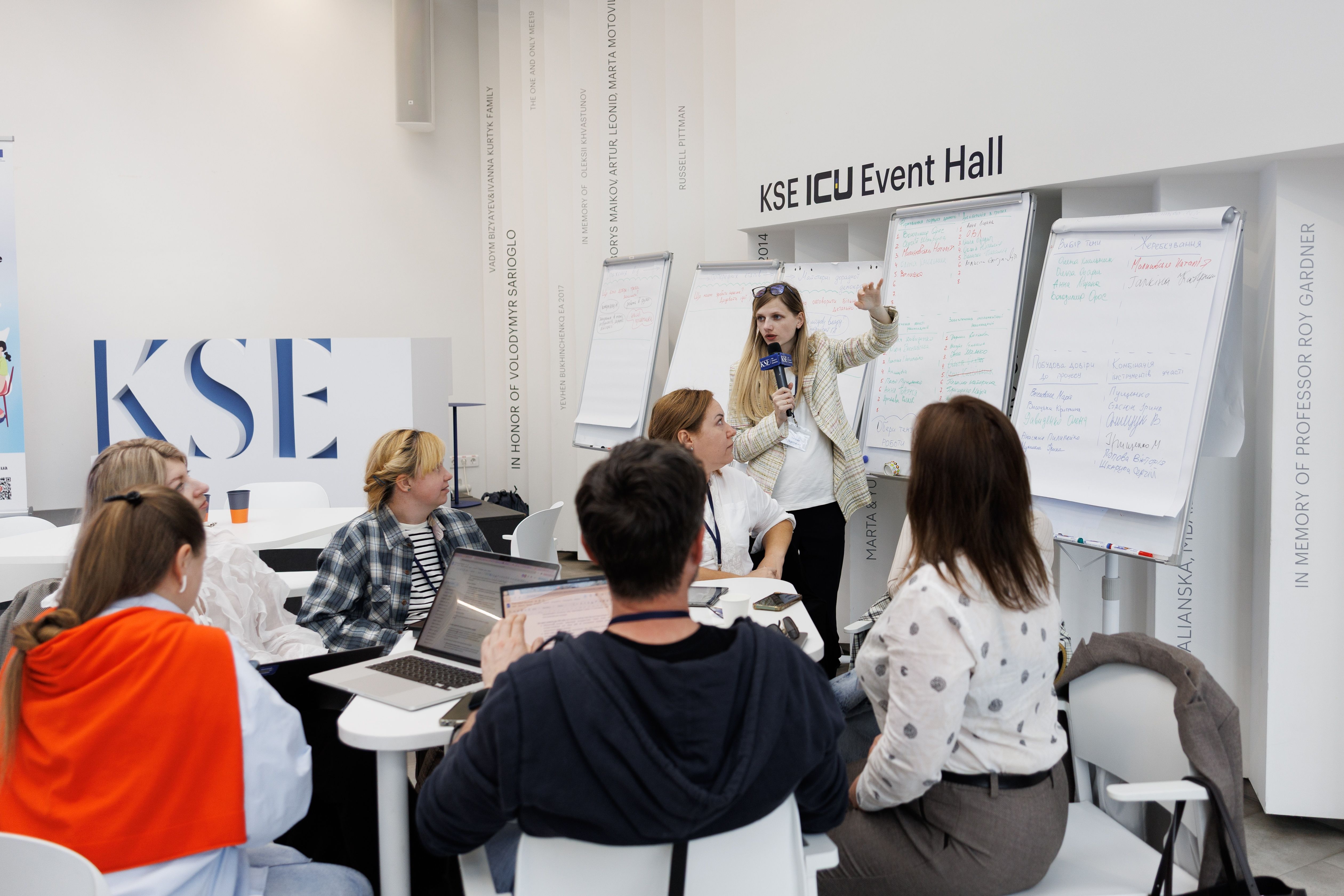

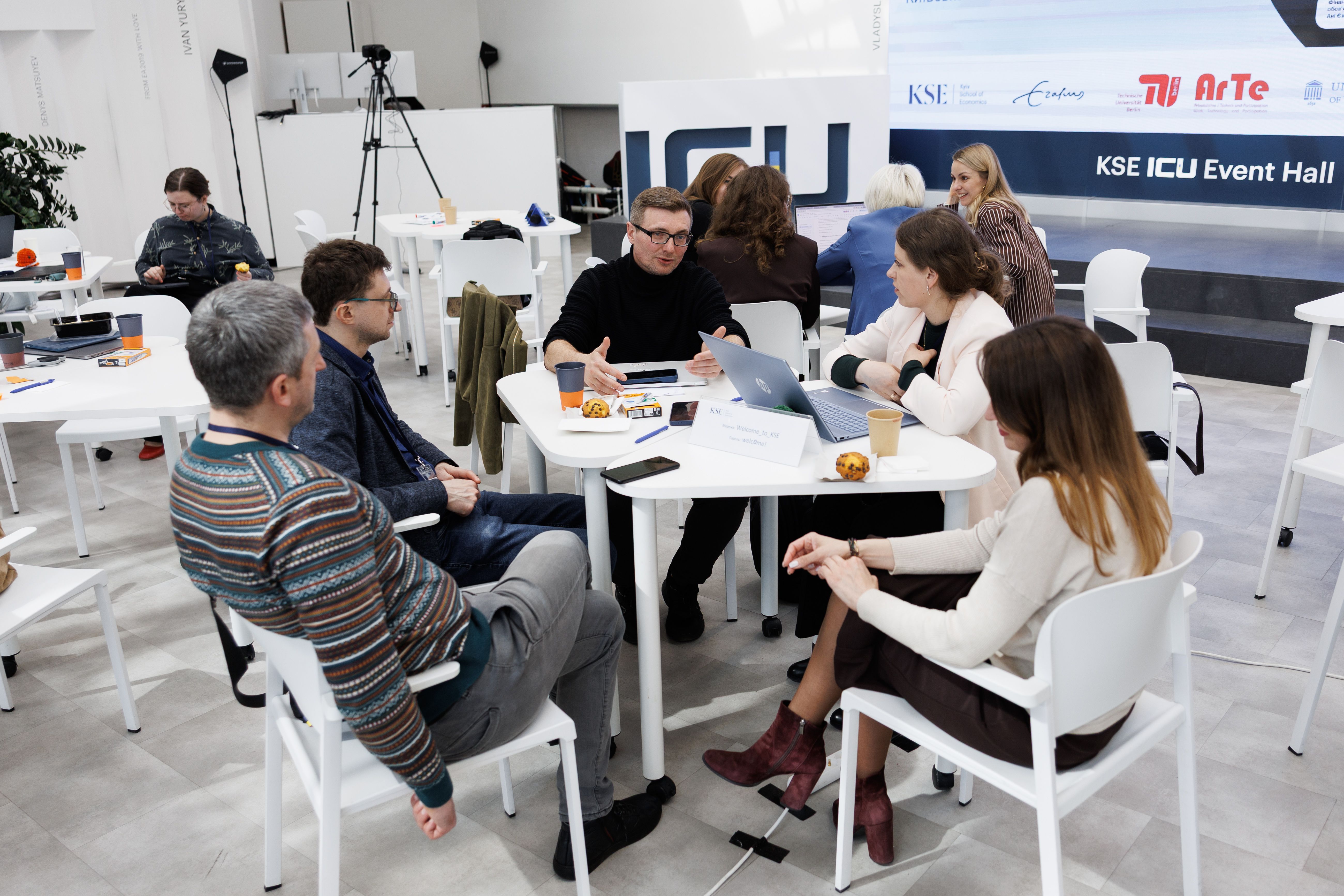
The most important part of the programme followed — a co-creation session focused on drafting methodological recommendations that will contribute to the final recommendations of the Lab.
The day concluded with a joint reflection. Participants shared their impressions and highlighted key insights from the day.
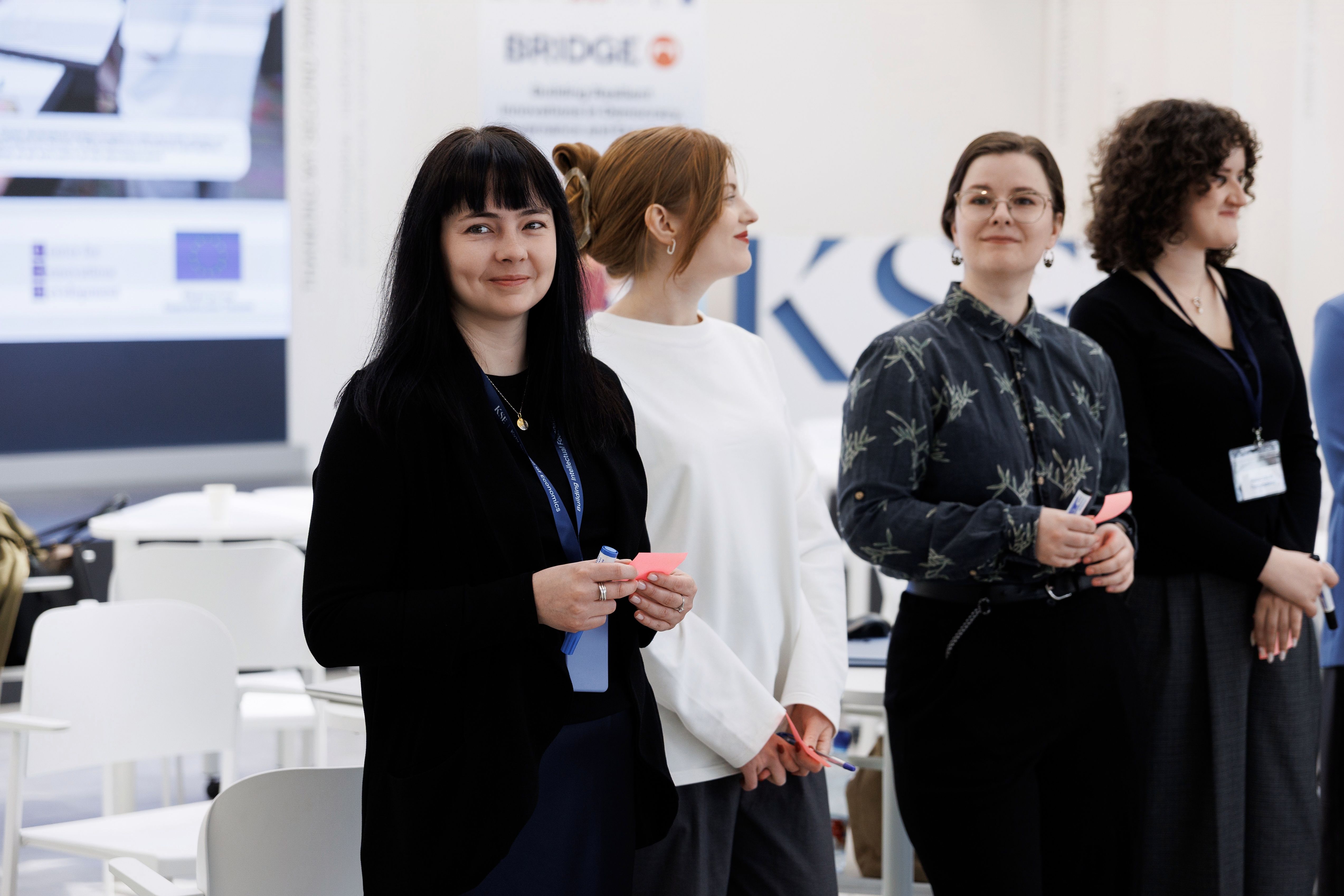

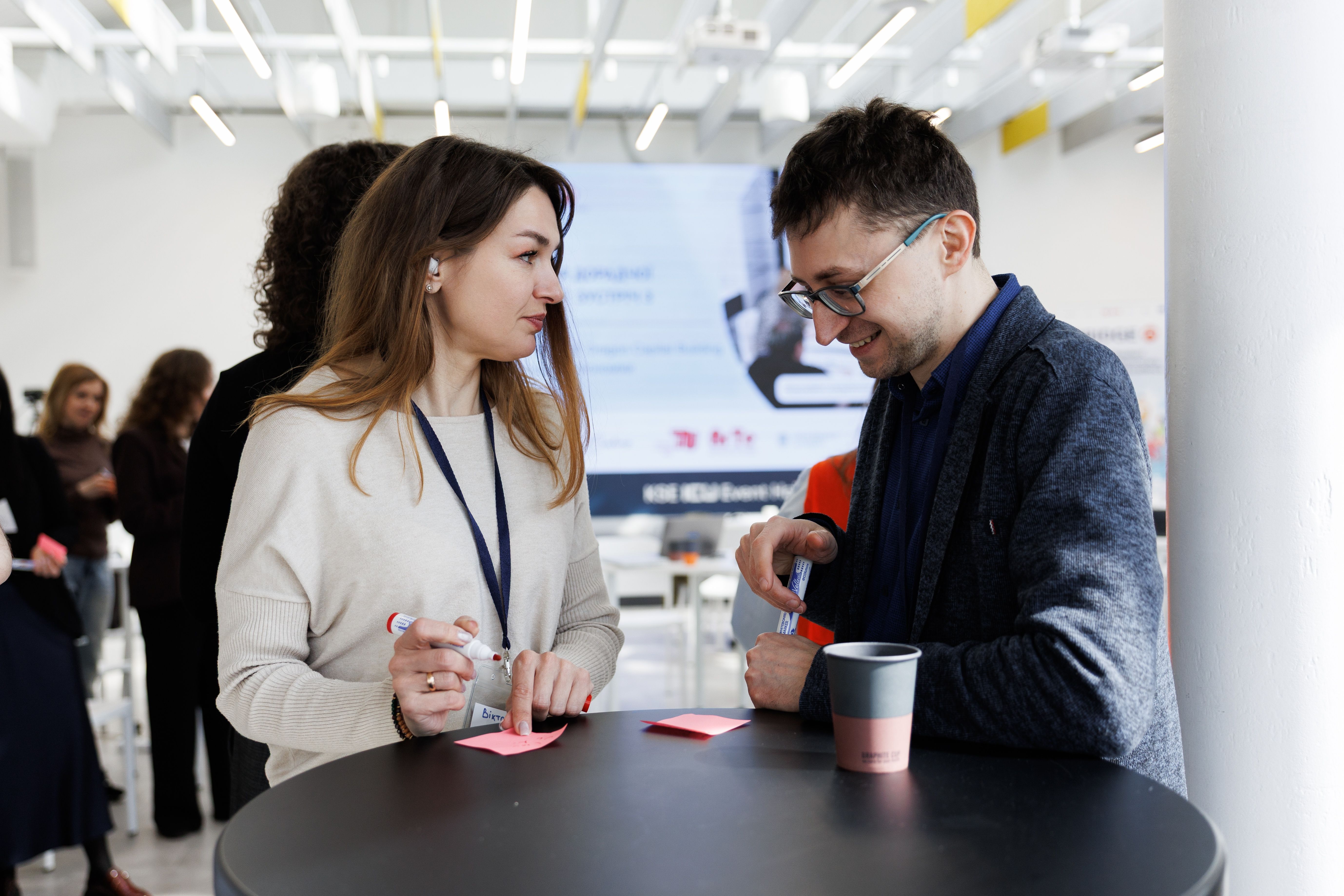

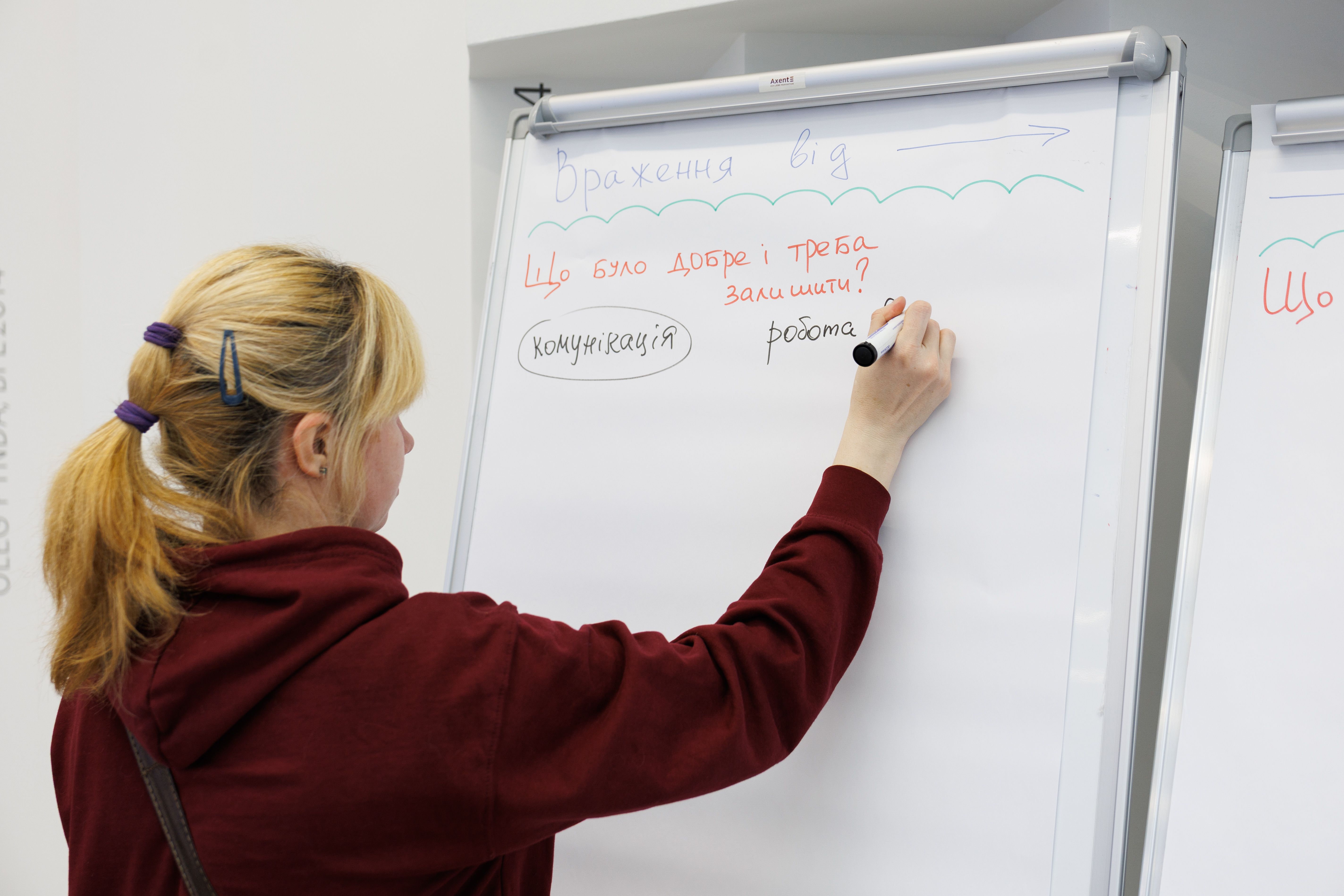
The second day began with a “democracy fitness” session — an interactive activity designed to help participants strengthen their “compromise muscle” and get into a working rhythm.

The next session focused on the Law of Ukraine “On People’s Power”. Maksym Latsyba, Head of the Civil Society Development Programme at the Ukrainian Independent Centre for Political Studies (UCIPR), presented the mechanisms of public participation that the law provides for residents of local communities. His input provided a natural transition to the next session — continuing the work on recommendations in light of the new opportunities created by the legislation.


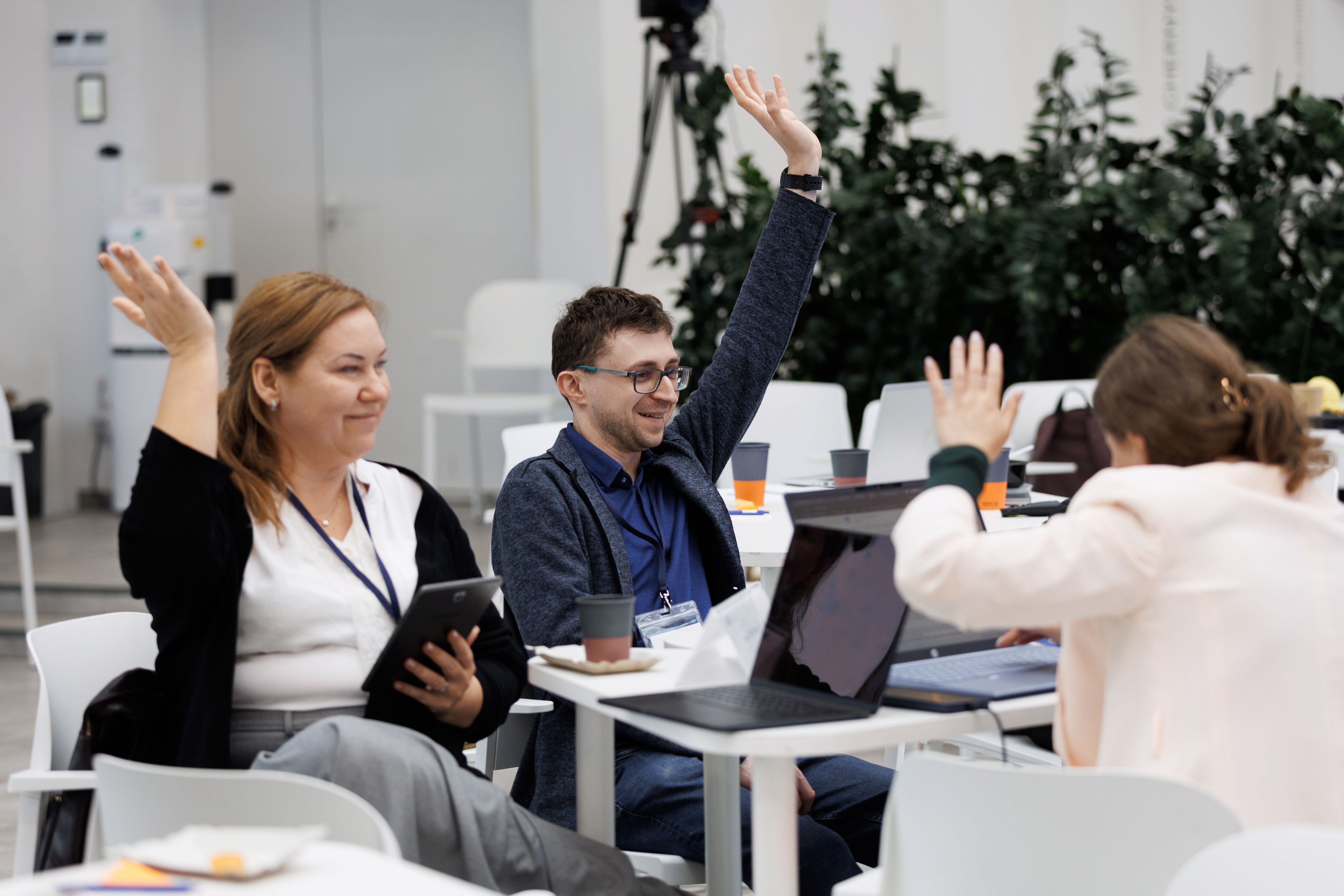
In the second half of the day, participants presented the results of their group work. Each team shared its outputs, followed by a joint discussion, refinement of the recommendations, and identification of next steps.
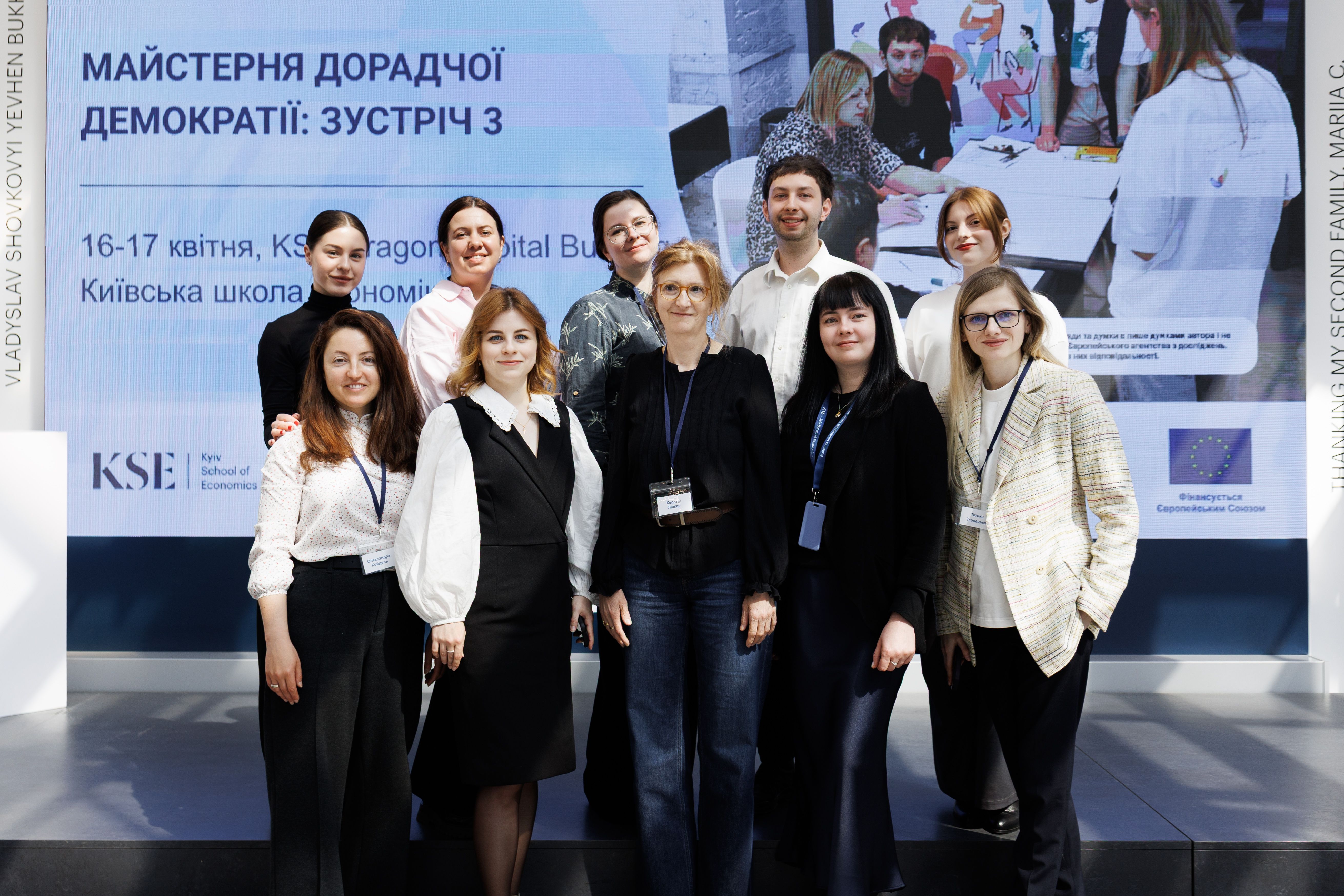
Each meeting of the Deliberative Democracy Lab demonstrates that Ukraine has a strong community of experts and practitioners ready to work with deliberative tools. Most importantly, there is a shared understanding that these approaches can become an important part of the country’s recovery and development processes.
The Deliberative Democracy Lab is a platform for exchanging ideas and experiences with the aim to identify effective adaptations of international deliberative practices to the Ukrainian context. The Lab’s ultimate goal is to develop recommendations for the effective integration of deliberative democracy into Ukraine’s public participation system.