
KSE team completes Erasmus University Rotterdam course on digital tools in governance
.png&w=828&q=75)
Submitting an application through an app, obtaining a certificate online, voting for a participatory budgeting project — for most of us, these have become routine ways of interacting with the state.
Yet behind these tools lie rules for data protection, responsibility for system errors, and the trust of the people who use public services. This part of the work is ensured not by software, but by people and institutions. How this happens in practice was the focus of the course "Legal, Implementation and Organizational Aspects of Digital Tools", developed by Erasmus University Rotterdam for KSE within the BRIDGE project.
Anastasiia Romaniuk
"I was genuinely impressed by how much value applied social sciences hold within the system of governance in the Netherlands. I'd love to see research institutions become trusted partners for Ukrainian lawmakers as well. This kind of collaboration makes it easier to embrace innovation and to work out, together, how to use technology in a way that's not only effective, but also appropriate, safe and inclusive for everyone involved."
The course ran from December 2025 to May 2026 and was delivered by Dr Vincent Homburg, an Associate Professor of Public Administration at Erasmus University Rotterdam, a leading scholar in e-government, and the academic coordinator of the BRIDGE project at the Dutch university. The programme combined online lectures with a study visit.
The online component consisted of lectures and weekly Q&A sessions with the lecturer. Participants explored:
- how governments should protect citizens’ personal data
- why digital transformation depends less on technology than on people’s readiness for change
- how to identify unfair or non-transparent algorithmic decisions
- how digital tools affect people’s participation in community life
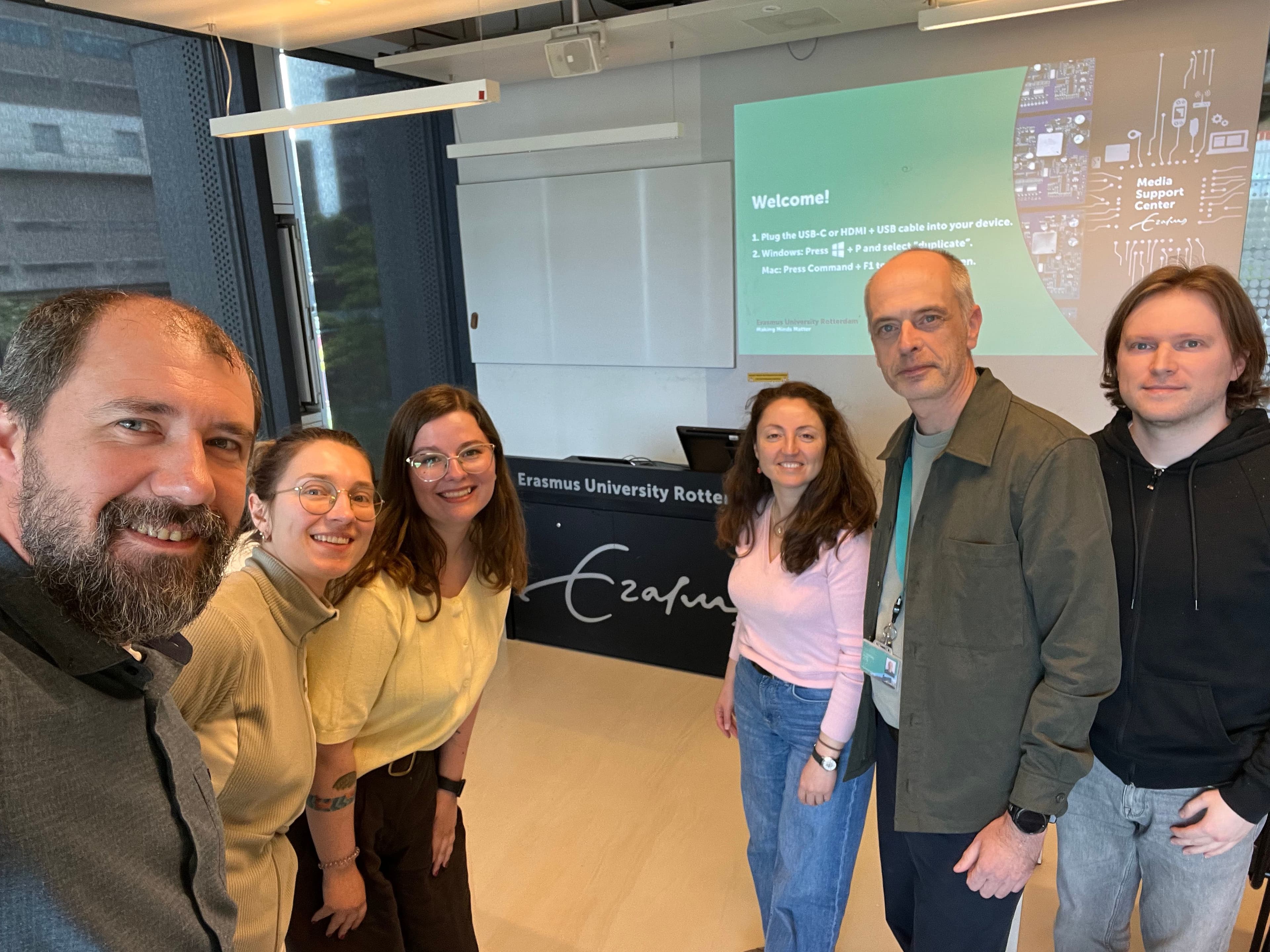
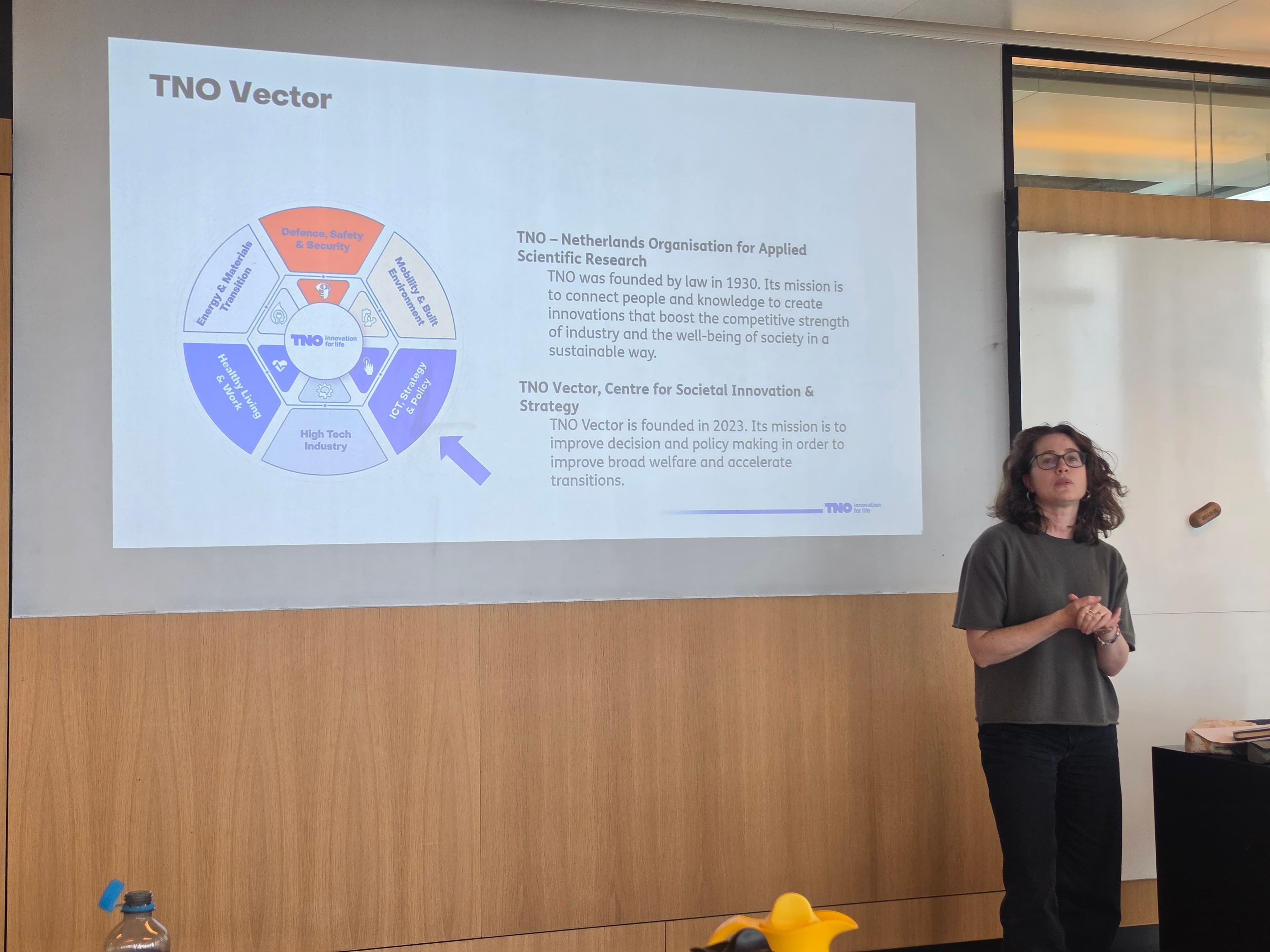
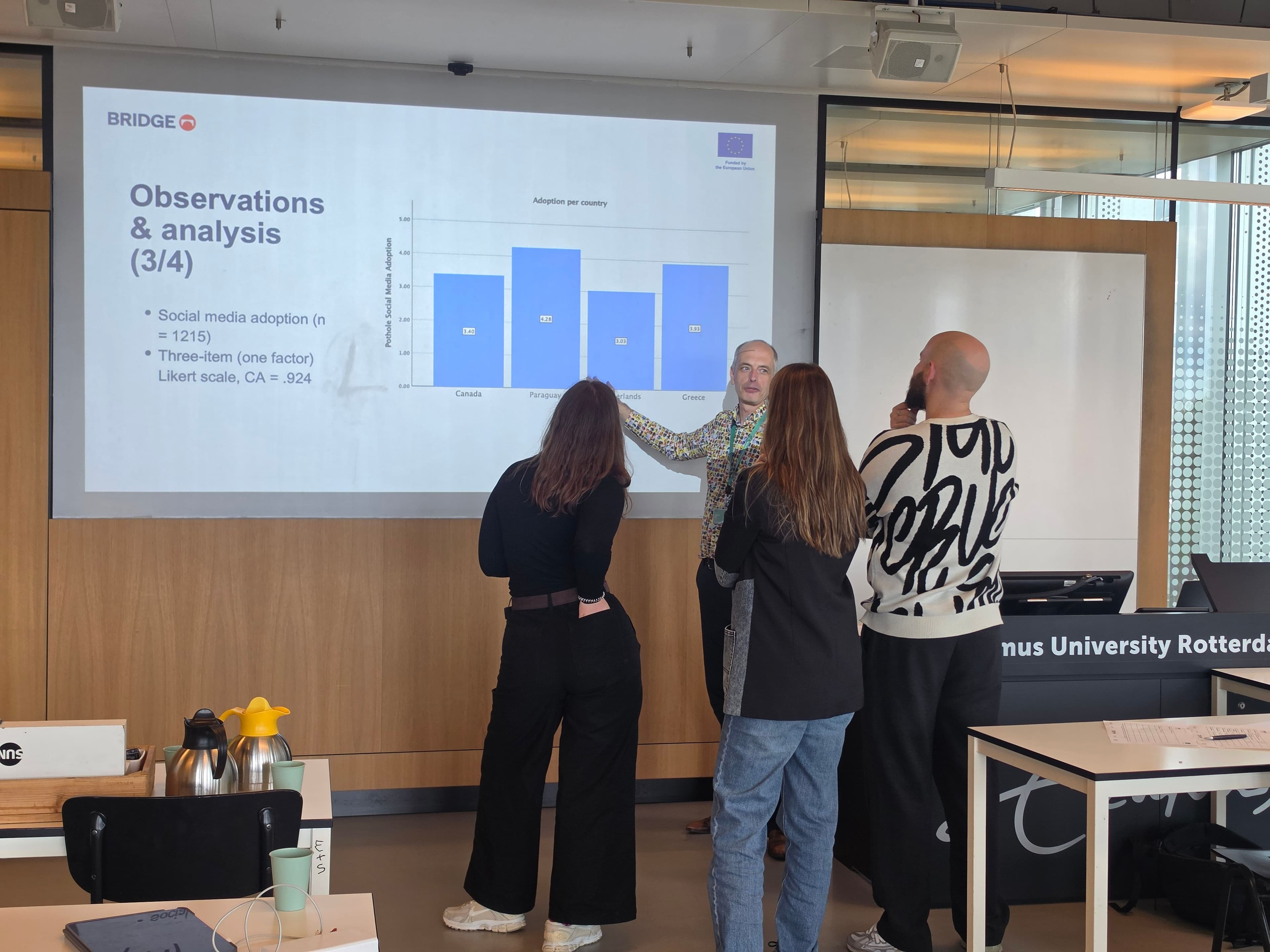
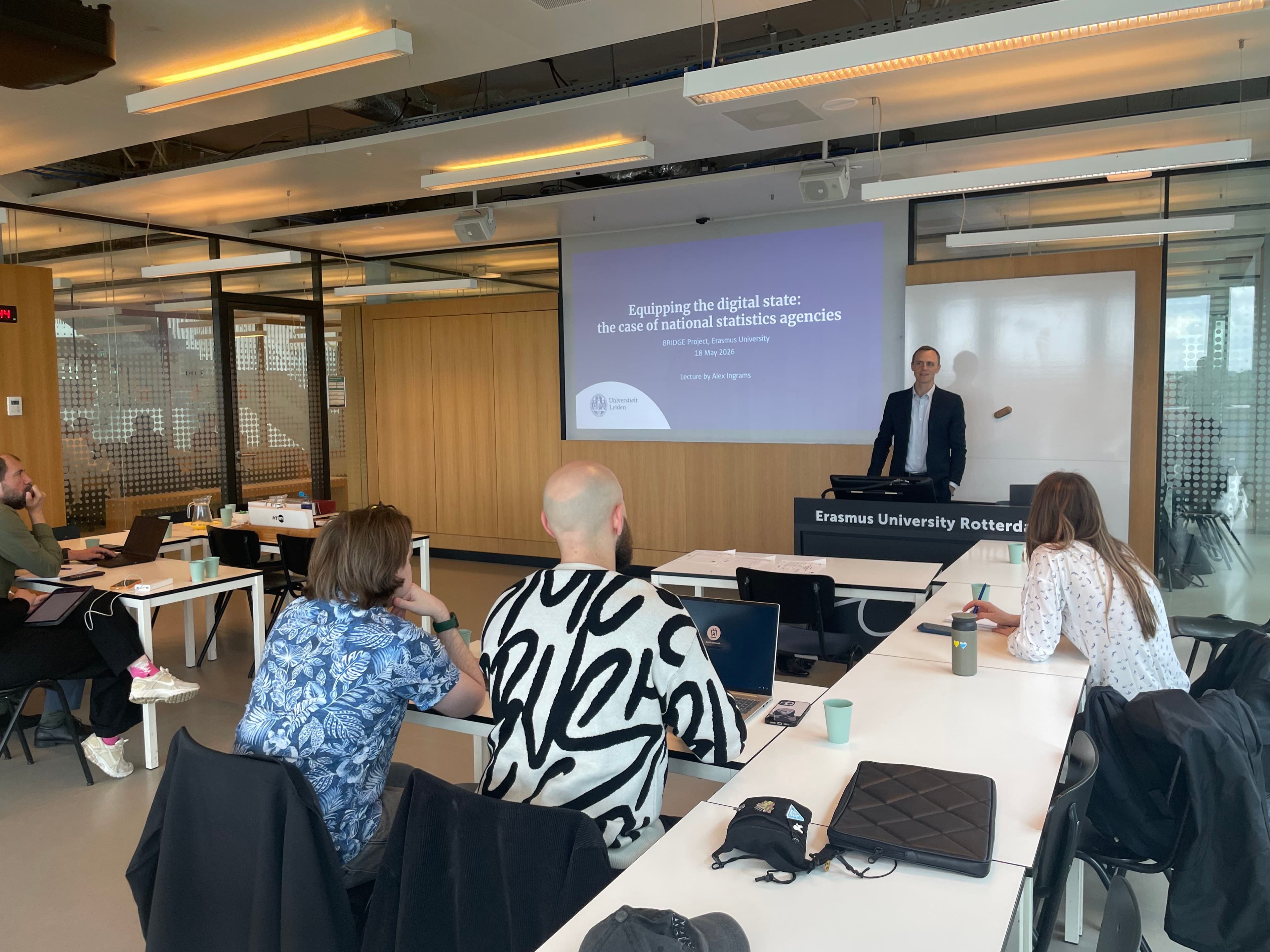
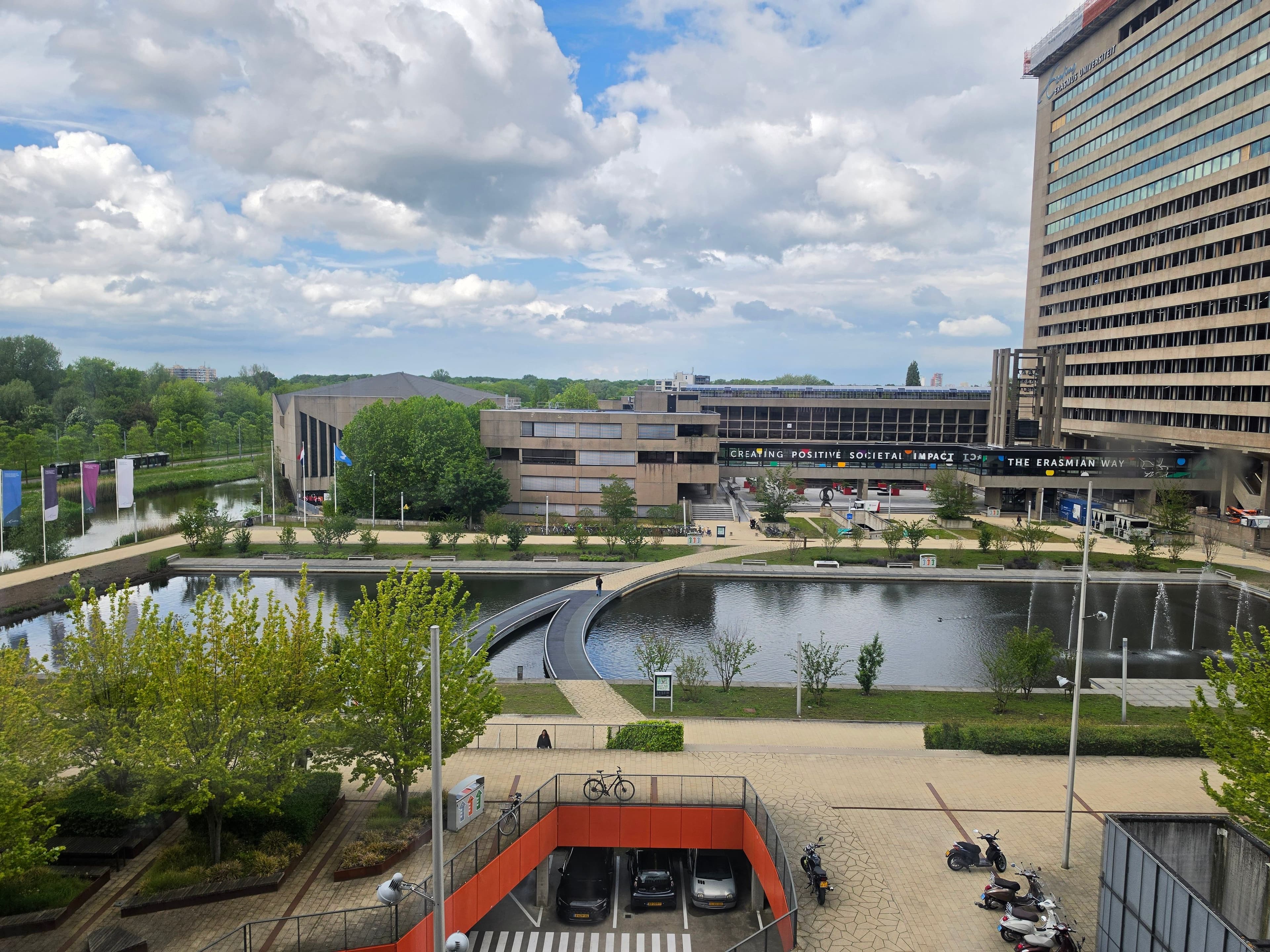
Some participants had the opportunity to take part in the in-person component of the course, which took place from 18 to 20 May 2026 at Erasmus University Rotterdam (the Netherlands).
Representing KSE were Anastasiia Romaniuk, Andrii Darkovich, Oleh Omelchenko, Mariia Kriuchok, and Mykhaylo Vidyakin.
Oleh Omelchenko
"It was interesting to spot similarities in how the challenges currently facing Ukraine were addressed in the Netherlands — what worked better, what was approached differently, and why. I was impressed by how some of the solutions we saw were future-proof to the degree that some platforms had been developed decades ago, yet are still conceptually relevant."
Over three days, the team explored the Dutch experience of digitalisation and digital ethics. Through visits to The Hague and Dordrecht, participants learned how carefully public authorities approach artificial intelligence and data protection. One particularly valuable example was the use of “ethical tables” — a format in which all risks of digital solutions are assessed before implementation.
Mykhaylo Vidyakin
"What struck me most was the readiness of Dutch government agencies to collaborate with researchers and practitioners alike. It’s this very synergy that brings to life digital solutions that truly serve the public good. I also really admired how openly they discussed their mistakes alongside their successes. That level of honesty is the ultimate lesson in building public trust."
Andrii Darkovich
"What impressed me most was how deeply data and digital tools are already embedded in the everyday work of municipalities. It’s not just “digitalisation for the sake of digitalisation,” but a whole system where the government works with this data, brings in external actors, uses the logic of New Public Management, and keeps a connection with academia. For me, it was a strong example of how the state doesn’t have to work in isolation, but can build digital solutions together with others."
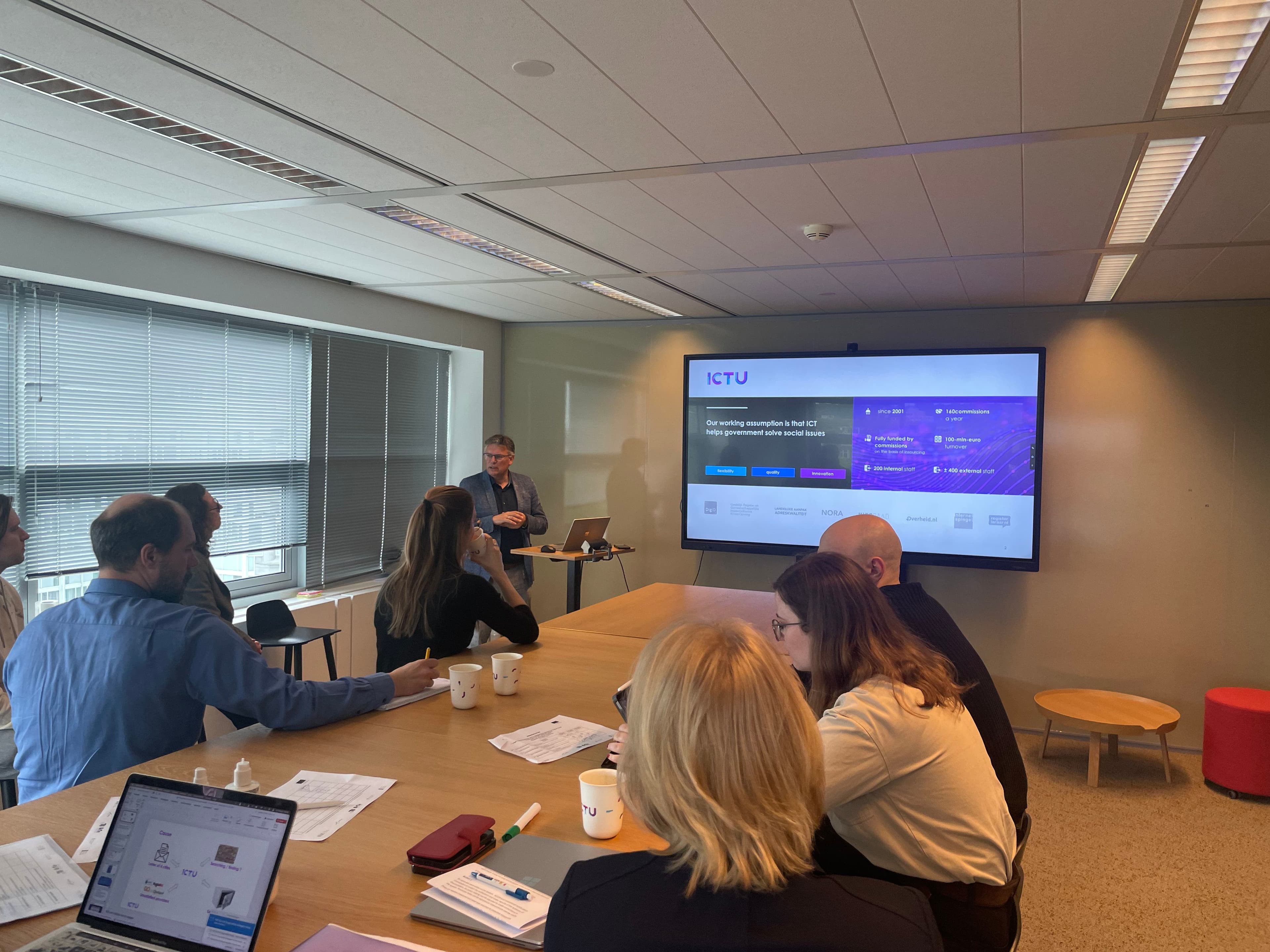
Therefore, technology should not only automate processes but also strengthen trust in the state and serve the broader public good. Achieving this depends first and foremost on working with people and developing their skills.
Mariia Kriuchok
"I was very impressed that civil servants at different levels are truly passionate about their work, understand its meaning and impact, especially thanks to modern technology. This love for helping people is simply fantastic!"
This course is part of the training programme of the BRIDGE project, which develops KSE's research capacity. The next step will be the train-the-trainer phase, during which course participants will share the knowledge they have gained with their colleagues.
We are grateful to Dr Vincent Homburg and colleagues from Erasmus University Rotterdam, as well as to the invited Dutch experts, for their experience, new knowledge, warm welcome, and openness. Special thanks go to the KSE team for their commitment to applying what they have learned in their research and professional activities.